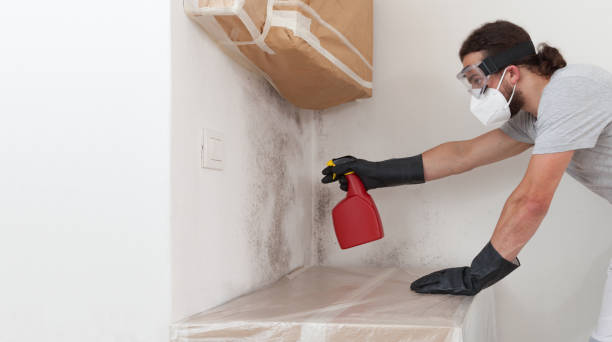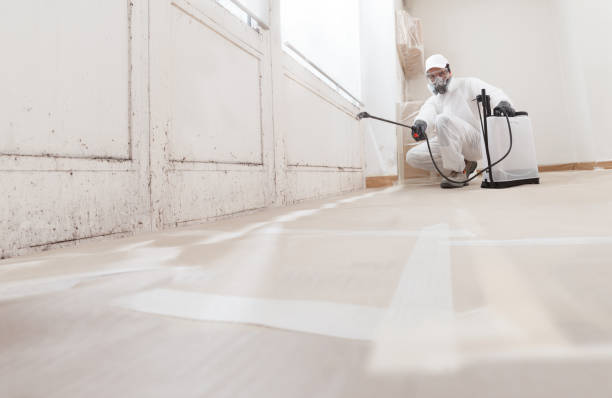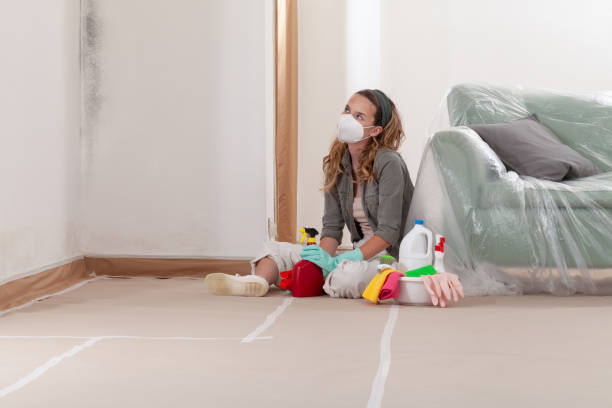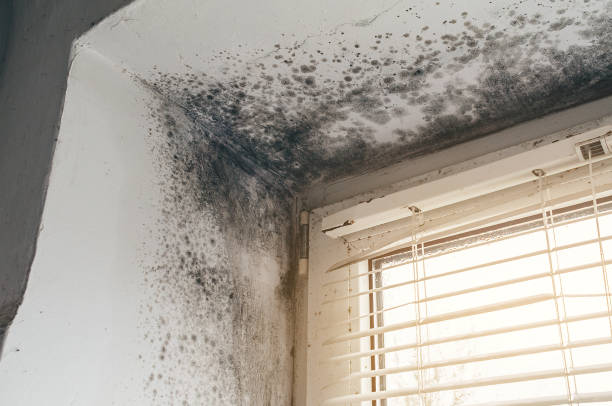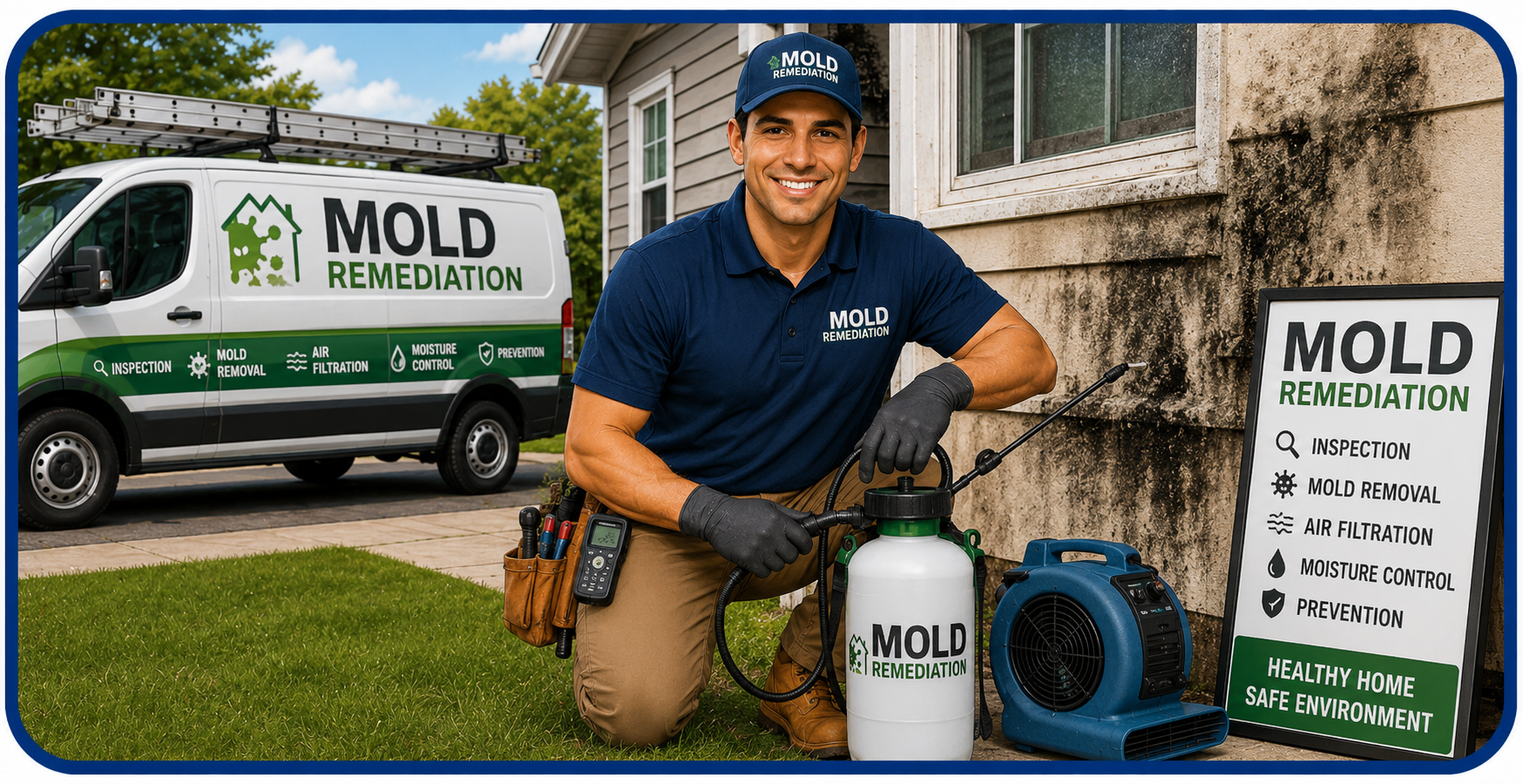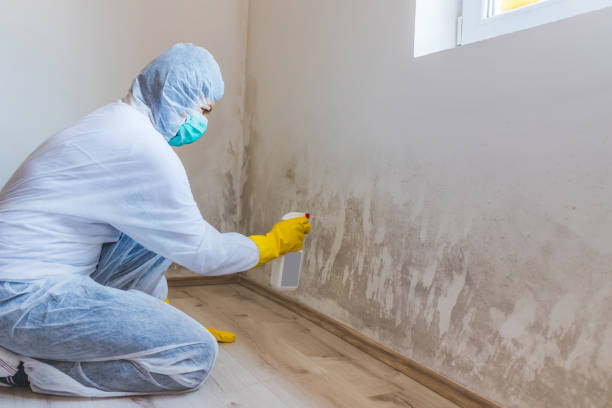
Musty smell, dark spots, an old leak that never quite dried out — WQB Mold Removal gets to the root of it and fixes properties across New Jersey, NJ the right way.
Call +1-844-578-1604
We built WQB Mold Removal around one habit: find the actual moisture source in a New Jersey, NJ property before proposing any treatment plan, not after.
We're licensed and insured in New Jersey, NJ, background-checked, and held to the same protocol whether the job is small or large. Consistency matters more to us than speed — the same checklist gets followed whether it's a routine bathroom job or a full-scale flood response.
Ask around New Jersey, NJ and you'll find our name comes up from repeat referrals more than from advertising, and that's exactly how we'd like to keep it.
We'd rather spend an extra twenty minutes on the initial inspection than come back in six months because we rushed the diagnosis the first time.
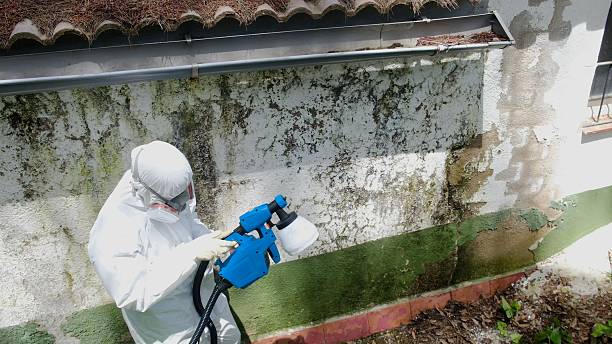
Some mold problems are obvious. Most aren't — here's what usually tips people off.
Candles and sprays mask it for an hour, but a true mold odor comes right back — that's usually the giveaway. It's often strongest near a closet, vent, or crawl space hatch. Air fresheners and candles buy you an afternoon at best before the smell returns.
Water stains — even faded, years-old ones — mean moisture reached somewhere it shouldn't have. Box fans rarely reach moisture trapped in subfloor or wall cavities. If a prior repair skipped moisture readings before closing the wall back up, hidden growth can sit undetected for months.
Headaches or congestion that fade on vacation and return the moment you're back in New Jersey, NJ point toward indoor air quality. A symptom pattern tied to one specific room is a strong clue. Anyone with asthma or existing respiratory sensitivity tends to notice mold-related symptoms earliest and most severely.
Staining around an HVAC vent often means condensation is forming inside the ductwork itself. A phone photo can help our office gauge urgency before you even schedule. By the time discoloration shows through paint, the growth behind it has usually been active for weeks already.
Every job starts with an inspection, not a quote pulled from a price sheet.
Active flooding and sewage backups jump the queue since mold can start within 24 to 48 hours. Containment and air scrubbers go up the moment our team walks in. Industrial dehumidifiers and extraction equipment go to work immediately to slow the damage before a new colony ever gets the chance to seed.
Bathrooms, basements, and attics each get a method suited to that specific environment in your New Jersey, NJ home. Post-job testing gives you documented proof the treatment actually worked. Every New Jersey, NJ home gets treated on its own terms — a 1920s foundation and a new-build slab don't call for the same approach.
Our commercial leads coordinate phased containment so parts of the building can stay open. We'll work evenings or weekends when that's what keeps a New Jersey, NJ business running. Multi-tenant buildings often need coordinated notice to residents or staff, and our project leads handle that communication directly.
Air and surface samples identify the species present before we ever propose a plan. Reports typically return within a few business days. We'll walk you through what the numbers actually mean instead of handing over a page of species names.
Vapor barriers and vent placement explain why New Jersey, NJ crawl spaces grow mold even when the upstairs looks fine. Confined spaces call for trained techs and dedicated gear. Sump correction and vent placement get addressed at the same time so the fix actually holds.
For chronic humidity, we design a long-term control plan rather than a one-time patch. Some New Jersey, NJ clients schedule an annual check, especially in older homes. We'll suggest specific, practical fixes rather than a generic maintenance checklist.
We keep this simple enough to explain in under two minutes on the phone.

Describe what you're seeing and smelling and we'll get a tech on the calendar, often same-day for New Jersey, NJ. Let us know roughly when the issue started. We'll give you a realistic arrival window rather than a vague "sometime today."
Moisture meters and, if needed, lab samples establish the true scope before any number gets written down. You'll get a plain-language rundown as we go. If the scope turns out bigger than expected, we'll tell you before moving forward, not after.
Containment barriers go up first, then affected materials are removed and treated per protocol. We keep the space as tidy as the job allows. Furniture and belongings in the work zone get moved or covered before anything starts.
A clearance test confirms spore counts are back to normal before we call it finished. Any last questions get answered on the spot. You keep a copy of the clearance report for your own records or for a future buyer.
We explain each line item over the phone if you want to walk through it before committing to anything.
We keep a dedicated crew in the New Jersey, NJ area so response times don't stretch out during peak humidity season.
Every job includes documented before-and-after testing, not just a verbal "it's handled."
If regrowth tied to our workmanship shows up within the warranty period, we return and fix it at no extra charge.
We'll also tell you plainly if a New Jersey, NJ property has an underlying roof or plumbing issue feeding repeat moisture, rather than quietly re-treating the same spot every year like some outfits do.

We put our promise in writing because peace of mind should come standard, not as an upsell.
Call +1-844-578-1604A few recent stories from New Jersey, NJ and nearby neighborhoods.

"Explained every step before touching anything, which I really needed after a stressful week." — Denise R., New Jersey, NJ customer
"Called at 9pm after a pipe burst — someone was here containing it by 7am the next morning." — Marcus T., New Jersey, NJ customer
"Flat-rate pricing meant zero surprises, unlike the last contractor we hired." — Priya S., New Jersey, NJ customer
"Six months out, zero regrowth. Worth it." — Walter H., New Jersey, NJ customer
"They caught an attic ventilation issue that was causing the problem, not just treating a symptom." — Angela F., New Jersey, NJ customer
"Finally got a straight answer about what was actually in our walls." — Ray O., New Jersey, NJ customer
WQB Mold Removal dispatches crews throughout New Jersey, NJ, from major metro areas to smaller towns. Older New Jersey, NJ construction and newer builds each call for a slightly different approach, and our crews are equipped for both.

Answers to what New Jersey, NJ homeowners ask us most.

Most New Jersey, NJ calls get a tech same-day, with active emergencies bumped ahead of routine inspections. Weekend and holiday calls still reach a live dispatcher, not voicemail. Scheduling load can shift day to day, so calling early in the morning often gets you the earliest slot.
We quote the full scope after inspection, and that number holds unless the scope changes. If we find extra damage once a wall's open, we stop and get your approval first. Nothing gets added to your invoice that wasn't already discussed and approved.
Emergency dispatch runs 24/7 for situations where a day's delay would make things worse. We coordinate directly with plumbers or roofers when the water source needs stopping first. If you're unsure whether your situation counts as an emergency, call anyway — our dispatcher can help you decide.
We pull air or surface samples and send them to an independent lab for species ID and spore counts. We'll walk you through what the report actually means, not just hand over a page of Latin names. We use the same independent lab for every New Jersey, NJ job so results stay consistent and comparable over time.
Coverage depends on your policy and the cause, so it's worth a call to your insurer — we can supply documentation either way. We're glad to speak with your adjuster directly if that helps. Every New Jersey, NJ policy reads a little differently, so double-checking your specific mold and water-damage language ahead of time saves headaches later.
A single bathroom or closet is often a one-day job, while a larger crawl space or whole-home job can take three to five days. Drying time after extraction can add a day or two before remediation even starts. We'll tell you upfront if a New Jersey, NJ job looks like it's going to run longer than typical, rather than letting the timeline slip silently.
We may recommend staying elsewhere for extensive whole-house treatment, especially with asthma or mold sensitivities in the household. Pets are usually fine in an unaffected part of the home; we'll flag exceptions. Most New Jersey, NJ clients are surprised how livable the rest of the house stays during a contained job.
Our containment and air-scrubbing protocols protect the rest of the household during the work. Once clearance testing comes back clean, the space is safe for normal use again. We take extra care around nurseries, playrooms, and anywhere pets spend most of their time.
Post-remediation testing confirms spore counts are back to normal, and our guarantee covers workmanship-related regrowth. We'll also give practical ventilation or dehumidifier advice for your New Jersey, NJ property. A follow-up check a few months later can catch anything early if you'd like the extra reassurance.
Our dispatcher can walk you through what an initial visit covers. Even a phone consult beforehand can help gauge whether a visit is warranted. We'd rather talk it through for five minutes than have you wait on something that turns out to be minor — or miss something that isn't.
"Removal" implies eliminating mold entirely, which isn't realistic since spores exist naturally everywhere; "remediation" means bringing levels back to a normal, safe range. What matters is whether your indoor levels match normal outdoor air in New Jersey, NJ, and testing confirms it. We'd rather explain this clearly upfront than let a New Jersey, NJ customer expect something no company can actually deliver.
Bleach may remove surface staining but rarely reaches spores embedded in porous materials like drywall or subfloor. Bleach also doesn't fix the moisture condition that let mold grow in the first place, so it often returns within weeks. If you're not sure which category your situation falls into, send us a photo and we can usually tell you over the phone.